Waterton Lakes National Park


Photo © iStockPhoto
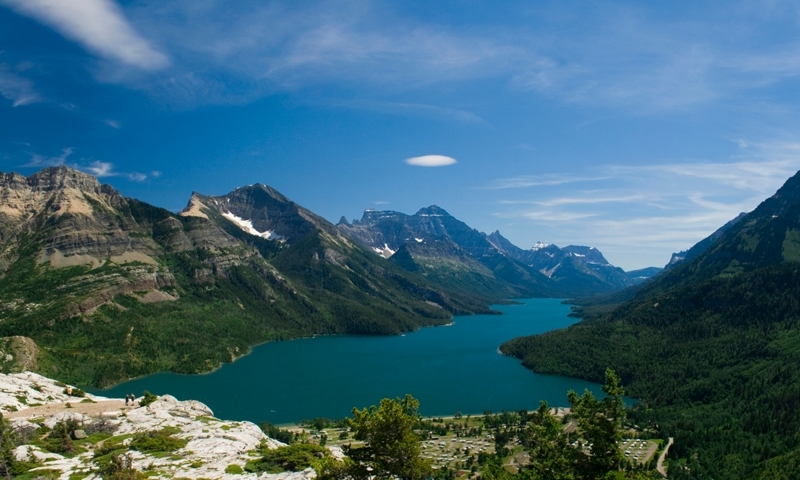
Photo © iStockPhoto

Photo © iStockPhoto
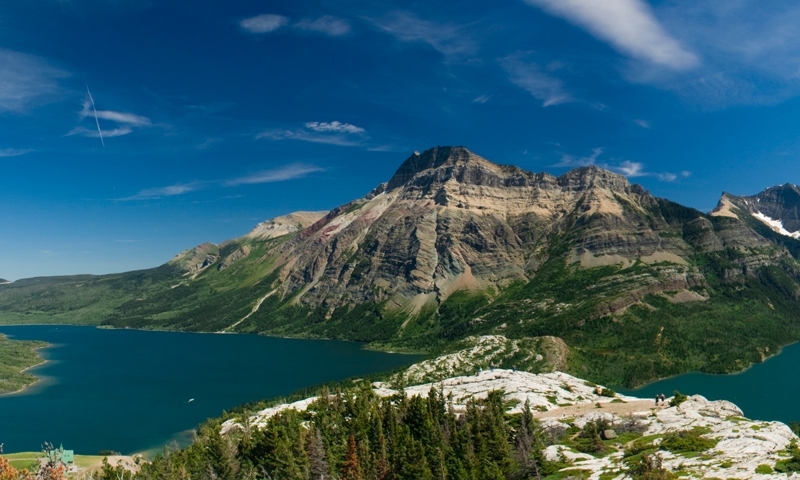
Photo © iStockPhoto

Photo © iStockPhoto

Photo © iStockPhoto
Comprised of jutting mountains, peaceful prairies and dazzling lakes, journey north from Glacier into Canada's Waterton Lakes National Park and be rewarded with a spectacular wilderness offering plentiful outdoor activities.
Overview
Waterton Lakes National Park is one of Canada’s gems, featuring some of the most rugged mountains and narrow gorges in all of the Northern Rockies. Also known for its pristine chain of lakes, thousands of visitors travel to Waterton every year to enjoy the park’s scenic drives and recreational activities including boating, hiking, wildlife viewing, and more. In 1932, Waterton Park joined Glacier Park, creating the Waterton Glacier International Peace Park.
Location/Directions
Waterton Lakes Natural Park is located in southwestern Alberta, bordering Glacier’s northern edge. Traveling from Glacier, visitors may enter Waterton via land or lake.
- By land, from St. Mary in east Glacier: This drive also features the scenic Chief Mountain Highway.
Travel 13 miles north on US89 before turning left onto MT-17/Chief Mountain International Highway. Travel 29 miles northwest on Chief Mountain Highway (MT-17/Provincial Route 6), crossing into Canada, until you intersect Highway 5 at Waterton Townsite. - By lake, from Goat Haunt, Glacier: Boat cruise operated by Waterton Shoreline Cruise Company.
Take a tour aboard the M.V. International from Goat Haunt to Waterton Marina, in Waterton Townsite. Phone: (403) 859-2362 (One-way/roundtrip tickets available.)
* Daily Entrance Fees range from $2.90 - $19.60 (Canadian).
Season
Waterton National Park is open year round, however plan to visit during July and August, when park facilities are open and roads and trails are in good condition.
Activities
Recreational opportunities include, but are not limited to:
Scenic Drives
Operating on Upper Waterton Lake, in between Goat Haunt and Waterton Townsite, and Waterton Townsite and Crypt Landing.
Non-motorized boat rentals available on Cameron Lake.
With over 120 miles of trails, try this scenic, full-day hike:
- Trail: Crypt Lake
- Trailhead: Crypt Landing
- Distance (roundtrip): 17.2 km (10.7 miles)
- Length: 6-8 hours
- Ascent: 700 meters (2297 ft)
Additional Information
- International Border crossing requires proper ID.
- Other activities include: shopping, camping, horseback riding, golfing and more!
Questions & Answers




Other Waterton National Park Resources
Stunning coastal National Park in the state of Maine.