- Cut Bank, Montana is the place to go on your Glacier vacation
- Only 48 minutes from the park
- Hunt big game or fowl around Cut Bank
- Catch rainbow, cutthroat, walleye pike or grayling in the lakes and rivers
- See the recently discovered Meriwether Lewis Fight Site
Overview
Cut Bank is named for a creek outside of town that the Blackfoot Indians described as “the river that cuts into the white clay bank.” Visitors enjoy stopping in this historic town to see the sights.
Location
Cut Bank, Montana is located 47 miles east of Glacier National Park on US Highway 2.
Services/Amenities
When you get hungry, you will find a place that serves the food you desire. There are drive-ins, country cafes, delis and fast foods. You’ll even find delicious meals of French or Mexican cuisine.
You have two 3-star inns to choose from as well as a few traditional motels. Search for the one that provides your favorite amenities, such as free Internet, free breakfasts, a spa or romantic-styled rooms.
Activities
- Hunting
Around Cut Bank there is a seemingly endless opportunity for great hunting. You’ll find elk, antelope, deer and bighorn sheep when you are after the big game. There’s also plenty of pheasant, ducks, geese and grouse. Be sure to familiarize yourself with the Fish and Game regulations of the area before embarking on your hunting adventure. - Fishing
Drop your fishing line into some of the clearest lakes, rivers and streams ever imagined around Cut Bank, Montana. Fly fish, spin cast or even ice fish in the winter months. You’ll find some rainbow, cutthroat, northern and walleye pike and grayling.
Attractions
- Glacier National Park
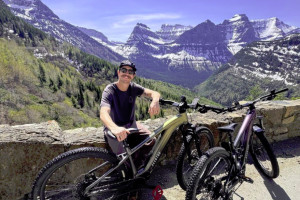
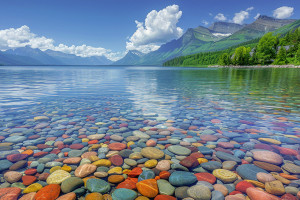
Only an hour away, you can easily reach Glacier National Park to enjoy the lovely scenery of glacier-cut valleys, crystal clear lakes and forested mountainsides. The snow-capped peaks and alpine meadows are especially photogenic. - Lewis & Clark Trail
The Lewis and Clark National Historic Trail traces the Missouri and Columbia Rivers through 11 states. Winding over mountains and through the plains, it provides a diversity of landscapes. Experience part of the trail around Cut Bank. - Camp Disappointment
Camp Disappointment was established by the Lewis and Clark Expedition in 1806. Here the Two Medicine River and Cut Bank Creek come together to form the Marias River. It’s a fascinating area to explore. - Meriwether Lewis Fight Site
On this site in 1806, Captain Meriwether Lewis and his party had a hostile encounter with the Blackfoot Indians. The actual location was only discovered in 1964 by two Boy Scout leaders from the Cut Bank area when they followed directions in Lewis’ journal.
Getting Here
When you travel to Glacier National Park from Cut Bank you move through the Blackfoot Indian Reservation. It’s a 48-minute drive on US Highway 2 to the park.